I’ve set up seven kitchens in the last decade. Three apartments, two rental houses, one childhood home renovation, and my current place. Each time, I learned something expensive.
The first kitchen? I bought everything. Garlic press, egg separator, avocado slicer, three sizes of whisks. Most of that junk sat unused for two years before I donated it. The second kitchen, I went minimal—too minimal. Ended up ordering takeout because I didn’t have basic prep bowls or a decent knife.
By kitchen number four, I figured it out. There’s a logic to what you actually need, and it has nothing to do with those “50 Essential Kitchen Items” lists written by people who’ve never actually moved into an empty apartment on a Saturday with zero cooking supplies.
This guide is different. I’m walking you through the exact thinking process I use now, the items that genuinely matter, and the stuff that sounds essential but really isn’t. No fluff, no Amazon affiliate garbage—just what works based on real cooking, real budgets, and real mistakes.
Think Before You Buy Anything
Here’s what nobody tells you: your kitchen needs depend on three things that have nothing to do with cooking skills.
Your space. I once tried fitting a full-size food processor into a kitchen with 18 inches of counter space. Stupid. It lived in a closet. If you’re in a studio or small apartment, vertical storage matters more than gadget count.
How you actually eat. Be honest. Do you cook daily? Meal prep on Sundays? Microwave frozen dinners four nights a week? I wasted money on a Dutch oven when I was eating out six days a week. Didn’t use it for eight months.
Your real budget. Not the fantasy budget where you buy everything at once. The actual money you can spend without eating rice for a month. I’ve built functional kitchens for $150 and comfortable ones for $800. Both worked fine for their purpose.
One more thing: buy in phases. Day-one essentials, month-two additions, stuff you add after six months when you know your cooking patterns. This prevents the classic mistake of buying a bread maker you’ll use twice.
Core Kitchen Essentials (Day One Items)
These are the things you need before you cook a single meal. I mean actual need, not nice-to-have.
Plates and bowls. Start with four of each, even if you live alone. You’ll have a guest, or you’ll be too lazy to wash dishes daily. Get basic ceramic or melamine—nothing fancy. One dinner plate size, one bowl size that works for cereal and soup.
Drinking glasses. Four glasses. That’s it. Skip the wine glasses, juice glasses, and coffee mugs for now. Use the same glass for everything. Add specialized drinkware later if you want.
Silverware set for four. Forks, spoons, knives. The cheap IKEA set works perfectly. I used mine for five years before upgrading.
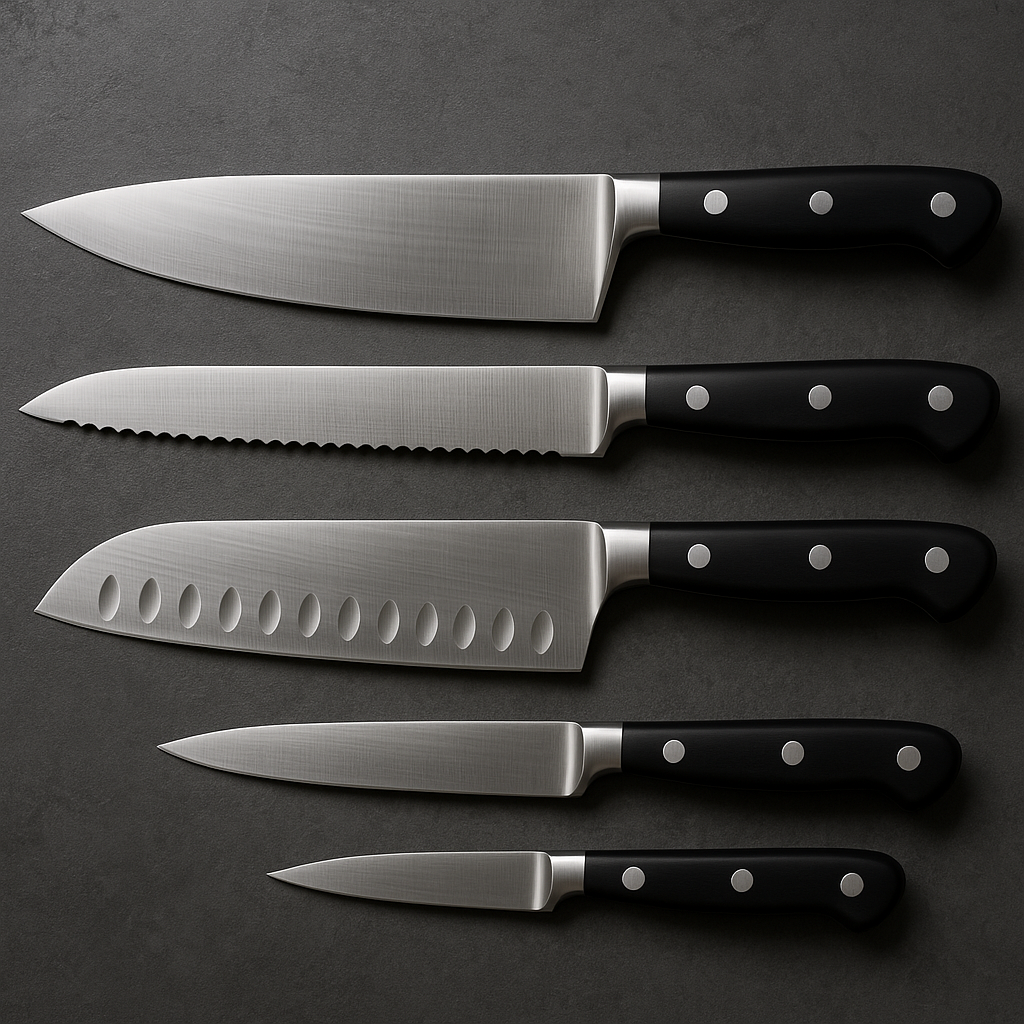
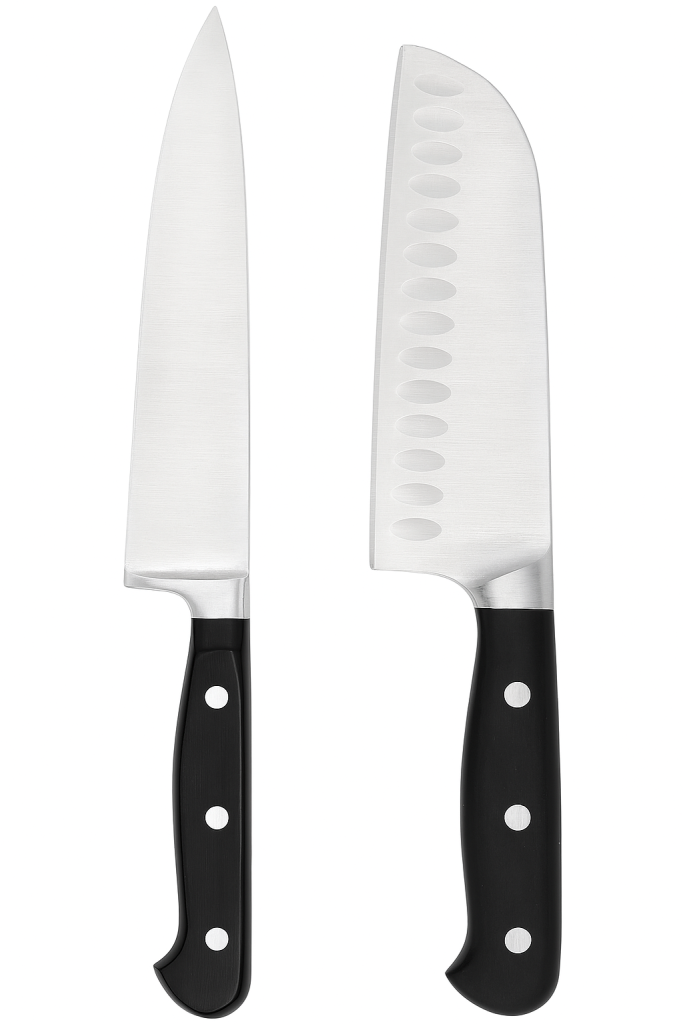
Chef’s knife (8-inch). This is where you spend money. A good knife makes cooking tolerable; a bad one makes it miserable. You don’t need a $200 Japanese blade, but don’t buy the $8 grocery store knife either. Victorinox or Mercer in the $40 range will outlast most expensive knives if you treat them right.
Cutting board. Plastic or wood, your choice. I prefer plastic because it goes in the dishwasher. Get one that’s at least 12×18 inches—small boards are infuriating.
Can opener. The manual kind. Electric ones break. I’ve learned this three times.
Dish soap, sponge, dish towels. Obvious, but people forget. Buy dish soap before you cook, not after you’ve made a mess.
Cooking & Cookware Essentials
This is where most people screw up. They either buy a 12-piece cookware set they’ll never fully use, or they try cooking with just one pan and suffer.
The Pans You Actually Need
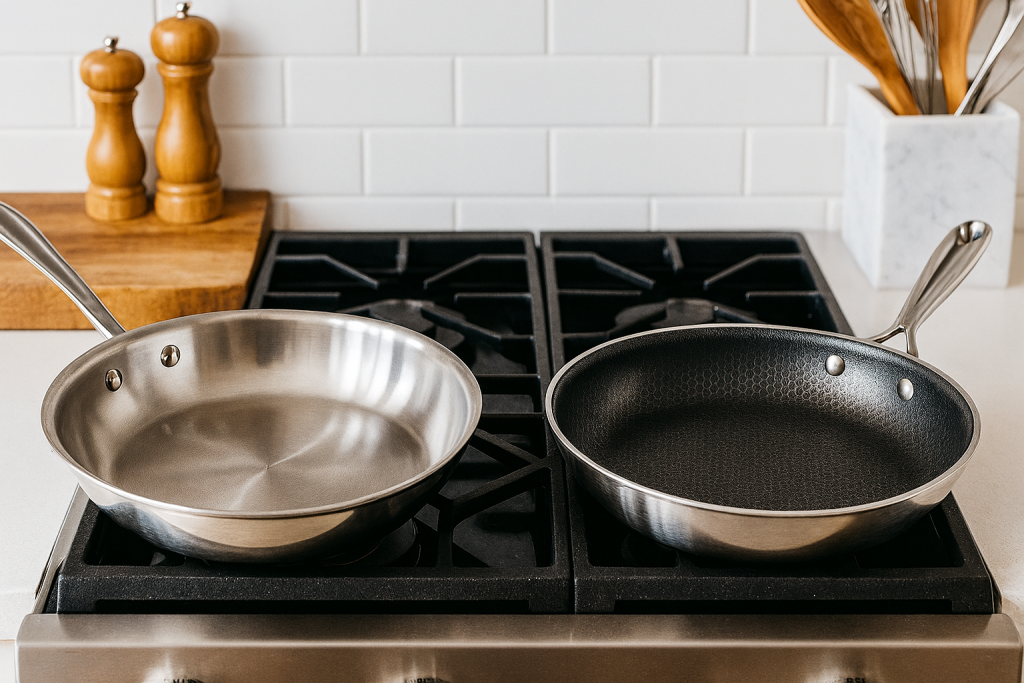
10-inch nonstick skillet. Your workhorse. Eggs, quick sautés, reheating leftovers. Nonstick wears out in 2-3 years regardless of price, so don’t overspend. T-fal or Calphalon in the $25-35 range. Replace it when food starts sticking.
12-inch stainless steel skillet. This is for everything else—searing meat, building fond, cooking acidic sauces. Stainless lasts forever if you learn the heat control. Tramontina or Cuisinart Multiclad work fine. You don’t need All-Clad unless you’re emotionally invested in cookware.
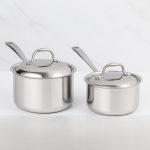
3-quart saucepan with lid. Boiling pasta, making rice, heating soup, simmering sauces. Get one with a heavy bottom so things don’t scorch. This is one of those items you’ll use three times a week minimum.
Large pot (8+ quarts) with lid. For boiling pasta, making stock, cooking for groups. Stainless or aluminum—doesn’t matter much. Just make sure it’s big enough that you’re not boiling pasta in three batches.
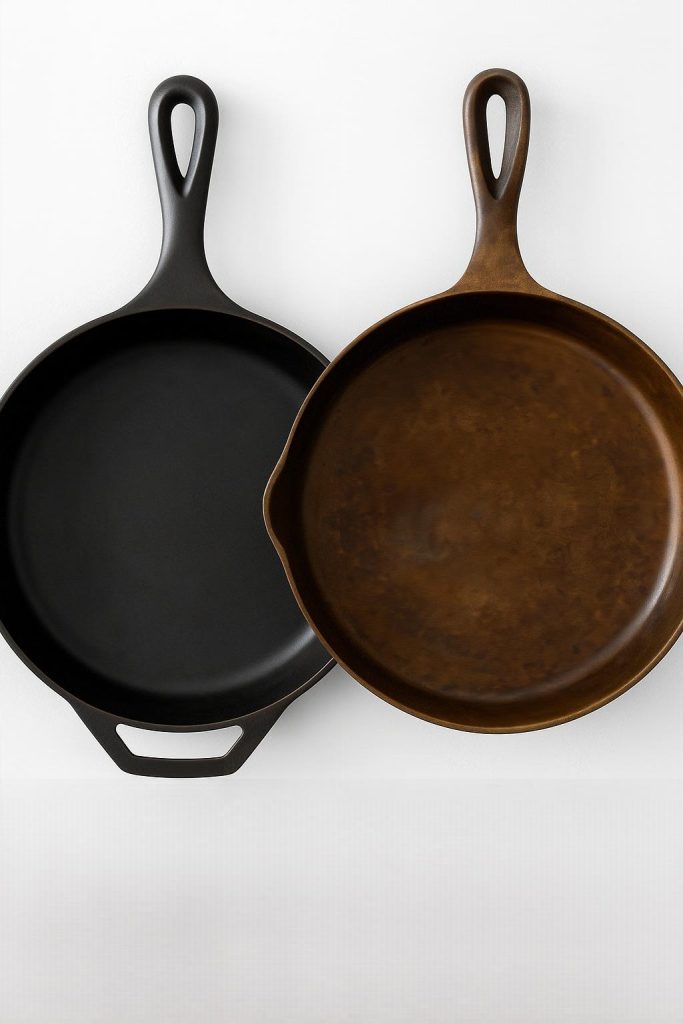
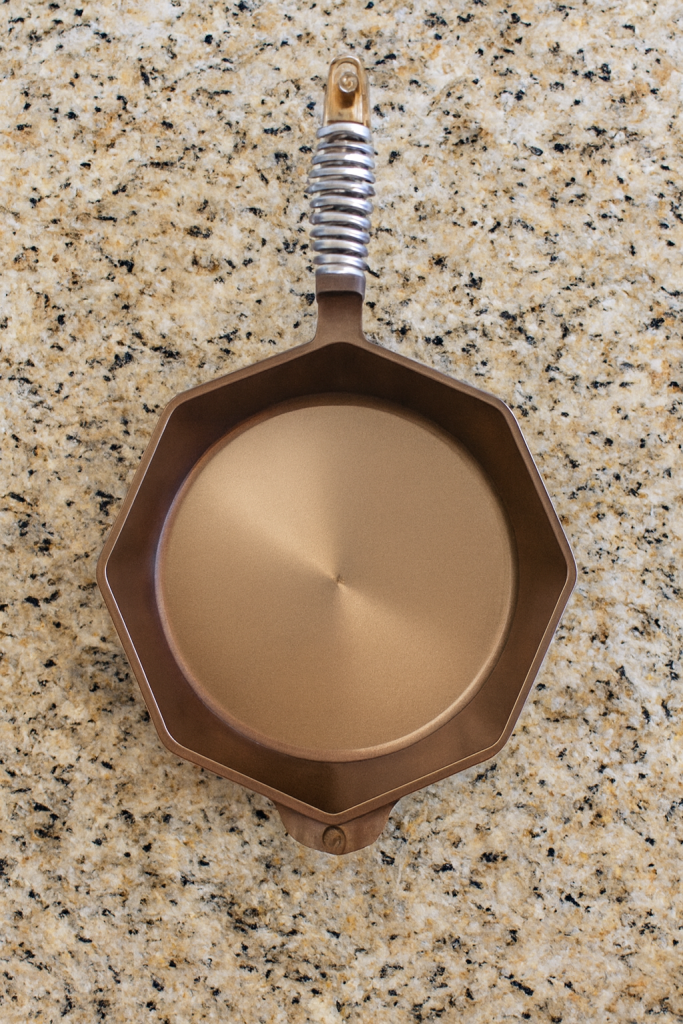
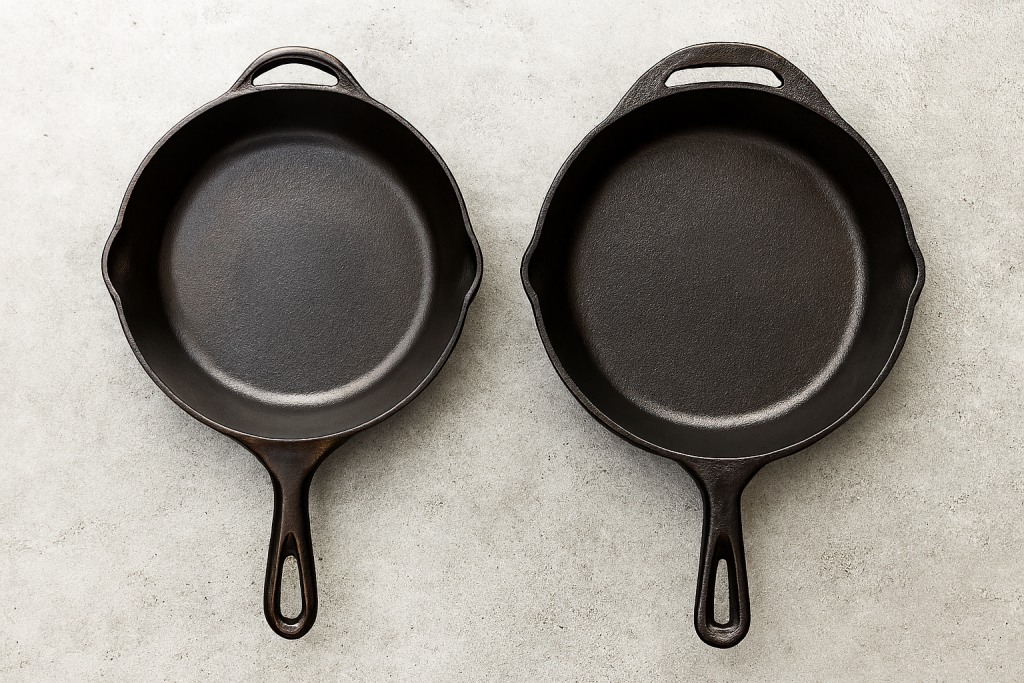
Cast iron skillet (optional but recommended). I resisted this for years because of the “seasoning maintenance” mythology. It’s overblown. Cast iron is nearly indestructible, holds heat brilliantly, and costs $25. I use mine for cornbread, pan pizza, and high-heat searing. Wipe it out, heat it dry, done.
What You Don’t Need Yet
Skip the sauté pan, grill pan, specialty omelet pan, and wok unless you know you’ll use them. I bought a wok in 2019. Used it twice. The 12-inch skillet does 90% of what a wok does in a normal kitchen.
Baking Basics
9×13 baking dish. Glass or ceramic. Casseroles, roasted vegetables, baked pasta. This sees more action than you’d think.
Sheet pan (half-sheet size). Aluminum, not nonstick. For roasting, baking cookies, catching drips. Buy two if you bake regularly. One gets disgusting fast.
Mixing bowls (set of 3). Stainless or glass. Small, medium, large. You’ll use these constantly for prep, mixing, marinating, serving.
Cooking Utensils
Here’s where people accumulate junk. You need less than you think.
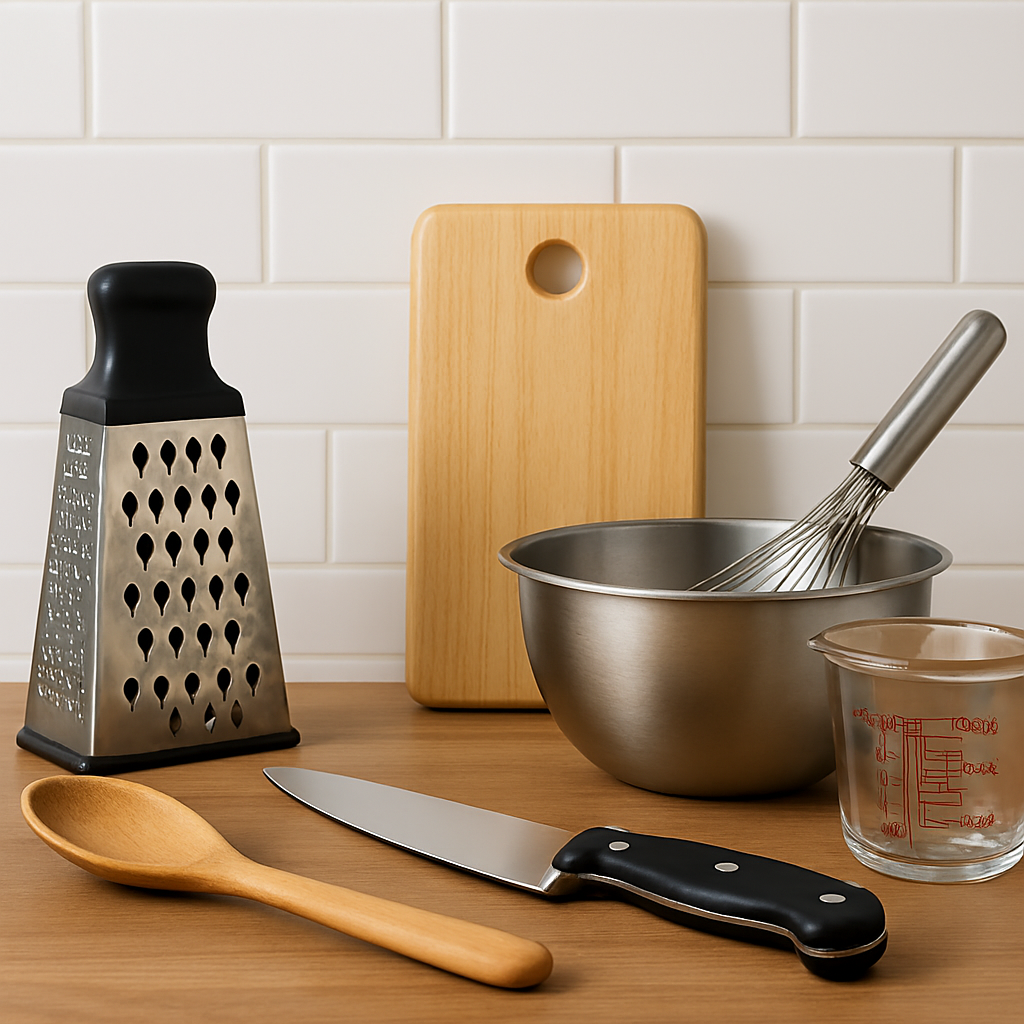
Wooden spoon. For stirring, sautéing, scraping. Wood doesn’t scratch pans or conduct heat. I have three. One lives in my saucepan.
Silicone spatula. The flexible kind for scraping bowls and folding. Get one that’s heat-resistant.
Metal spatula (fish spatula style). Thin, slotted, angled. Perfect for flipping, turning, and deglazing. This replaced four other spatulas in my drawer.
Tongs. Spring-loaded, 9-12 inches. For pasta, salad, flipping chicken, grabbing hot things. I use these daily.
Ladle. One size, for soups and sauces.
Whisk. Medium size. Scrambling eggs, mixing batters, emulsifying dressings.
Skip the specialty turners, slotted spoons, and oversized serving spoons. They’re redundant.
Food Prep Tools That Actually Matter
Vegetable peeler. The Y-shaped kind. Costs $3, lasts forever.
Box grater. Four sides, multiple grating options. Cheese, vegetables, ginger, garlic. Way more useful than a microplane for everyday cooking.
Colander. For draining pasta, washing vegetables, rinsing beans. Metal or plastic, doesn’t matter.
Measuring cups and spoons. Dry measures (1 cup, 1/2 cup, etc.) and a liquid measuring cup (2-cup Pyrex style). Measuring spoons from 1 tablespoon down to 1/4 teaspoon. Baking demands precision; cooking doesn’t, but it’s helpful when you’re learning.
Meat thermometer. Instant-read digital. This changed my cooking more than any knife skills class. No more guessing if chicken is done or steak is medium-rare. ThermoPop or ThermoPro in the $15-30 range.
Items Most People Think They Need But Don’t
Garlic press. Just mince it.
Egg separator. Use the shell.
Avocado slicer. Use a knife.
Potato masher. Use a fork or the back of a spoon.
Pizza cutter. Kitchen shears or a knife work fine.
I owned all of these. Used each one maybe five times before realizing I was washing extra tools for no reason.
Storage & Organization Essentials
This is the category people skip, then regret hard.
Food storage containers. Glass with locking lids, not plastic. Pyrex or similar. Get a set with 4-6 containers in varying sizes. They microwave, refrigerate, freeze, and don’t stain or smell like plastic. I meal prep in these, store leftovers, pack lunches. Best kitchen investment under $40.
Aluminum foil, plastic wrap, parchment paper. You’ll use these constantly. Covering dishes, wrapping food, lining pans.
Zip-top bags. Gallon and quart sizes. Marinating, freezing, organizing pantry items.
Canisters or jars for pantry staples. I resisted this because it seemed fussy. Wrong. Transferring flour, rice, pasta, and coffee into airtight containers keeps everything fresh and prevents pantry moths. I learned about pantry moths the expensive way.
Appliances: Essential vs. Optional
Microwave. Unless you’re ideologically opposed, get one. Reheating, defrosting, melting butter, steaming vegetables. I went without for a year to prove a point. The point was stupid.
Toaster or toaster oven. Toaster if you just want toast. Toaster oven if you want toast plus reheating pizza, baking small batches, broiling. I prefer the toaster oven for versatility.
Electric kettle (optional but life-changing). Boils water in 90 seconds. For coffee, tea, instant oatmeal, quick-cooking grains. I use mine three times a day.
Appliances to Skip Initially
Blender, food processor, stand mixer, rice cooker, slow cooker, air fryer, Instant Pot. All useful, none essential. Buy them when you know you’ll use them, not because a wedding registry checklist says so.
I bought a KitchenAid mixer because everyone has one. Used it twice in two years. Sold it. Bought a hand mixer for $20, which I actually use.
Cleaning & Maintenance Essentials
Dish rack or drying mat. Unless you have a dishwasher and religiously use it, you need somewhere for clean dishes to dry.
Trash can with lid. Keeps smells contained, looks cleaner.
All-purpose cleaner and surface spray. For counters, stovetop, sink.
Dish towels (4-6). You’ll use them constantly. Buy extras.
Oven mitts or pot holders. Protect your hands. The silicone ones grip better than fabric.
Pantry & Consumables Starter List
This is the stuff you buy before you cook anything, so you’re not running to the store mid-recipe.
Cooking oil. Neutral oil like vegetable or canola for high-heat cooking. Olive oil for medium-heat and finishing.
Salt and pepper. Kosher salt for cooking, black pepper in a grinder.
Basic spices. Garlic powder, onion powder, paprika, cumin, chili powder, dried oregano, bay leaves. Add more as you cook specific cuisines.
Flour, sugar, baking soda, baking powder. If you bake at all.
Rice, pasta, canned tomatoes, beans. Shelf-stable staples that form the base of dozens of meals.
Soy sauce, hot sauce, vinegar. For seasoning and quick sauces.
Onions, garlic, potatoes. Keep these on hand always.
Items Most People Forget (Real Regret Items)
Kitchen shears. For opening packages, cutting parchment, trimming fat, spatchcocking chicken. I cook without a lot of tools, but kitchen shears are indispensable.
Oven thermometer. Most ovens are off by 25-50°F. You think you’re baking at 350°F, but it’s actually 320°F or 380°F. This explains a lot of baking failures. $6 fix.
Pot holders or trivets. For placing hot pots on counters or tables without burning everything.
Step stool. If you’re under 5’8″ or have high cabinets, you need this. I went without for months, standing on chairs like an idiot.
Fire extinguisher. Yes, really. Kitchen fires happen. Grease fires, especially. Keep one accessible.
Items You Should NOT Buy Initially
These sound essential. They’re not.
Knife block sets. You don’t need eight knives. You need one good chef’s knife and maybe a paring knife later.
Matching cookware sets. You’ll use two or three pieces constantly and ignore the rest.
Specialty appliances. Waffle makers, panini presses, quesadilla makers. Buy these when you’re making waffles weekly, not optimistically.
Fancy dish soap dispensers, utensil crocks, decorative canisters. Function first, aesthetics later.
Expensive dish towels. They get stained and gross. Buy cheap ones.
Kitchen List by Lifestyle
Single Person
Minimize everything. You’re cooking for one, maybe two occasionally.
- 2 plates, 2 bowls, 2 glasses, 2 sets of silverware
- 8-inch chef’s knife, cutting board
- 10-inch nonstick skillet, 2-quart saucepan
- Wooden spoon, spatula, tongs
- 2-3 food storage containers
- Microwave, toaster
Add items as your cooking expands. Don’t overbuy.
Couple
Scale up slightly for shared meals and occasional guests.
- 4 plates, 4 bowls, 4 glasses, 4 sets of silverware
- 8-inch chef’s knife, cutting board
- 10-inch nonstick skillet, 12-inch stainless skillet, 3-quart saucepan, 8-quart pot
- Full utensil set (wooden spoon, spatula, tongs, ladle, whisk)
- 4-6 food storage containers
- Mixing bowls, colander, measuring tools
- Microwave, toaster oven
Family (3+ People)
You’re cooking larger quantities and need durability.
- 6-8 plates, bowls, glasses, silverware sets
- 8-inch chef’s knife, paring knife, cutting board
- 12-inch nonstick skillet, 12-inch stainless skillet, 3-quart saucepan, 12-quart pot
- Full utensil set plus extras (you’ll be cooking multiple things simultaneously)
- 8-10 food storage containers in various sizes
- Large mixing bowls, 9×13 baking dish, sheet pans
- Microwave, toaster oven, possibly slow cooker or rice cooker if you use them
Budget-Based Kitchen Lists
Minimal Setup ($150-250)
Day-one functionality. You can cook real meals.
| Category | Items | Estimated Cost |
|---|---|---|
| Dishes | 4 plates, 4 bowls, 4 glasses, silverware set | $40 |
| Knives & Prep | 8″ chef’s knife, cutting board, peeler | $50 |
| Cookware | 10″ nonstick skillet, 3-qt saucepan, 8-qt pot | $70 |
| Utensils | Wooden spoon, spatula, tongs, whisk | $20 |
| Storage | 4 food containers, foil, plastic wrap | $25 |
| Cleaning | Dish soap, sponges, towels, trash can | $20 |
| Pantry | Oil, salt, pepper, basic spices, rice, pasta | $30 |
| TOTAL | ~$255 |
This assumes sales, discount stores, and smart shopping. IKEA, Target, and restaurant supply stores are your friends.
Comfortable Setup ($500-700)
Everything you need plus quality-of-life upgrades.
Add to the minimal setup:
- 12-inch stainless steel skillet ($40)
- Cast iron skillet ($25)
- Sheet pan and 9×13 baking dish ($30)
- Mixing bowls, colander, measuring tools ($35)
- Better knife (Victorinox or similar) ($45)
- Meat thermometer ($20)
- Additional food storage containers ($25)
- Microwave ($70)
- Toaster oven ($50)
- Electric kettle ($30)
- Expanded pantry staples ($50)
Total: ~$675
Fully-Equipped Setup ($1000-1500)
This includes specialty appliances and nicer materials.
Add to the comfortable setup:
- High-quality chef’s knife ($80-120)
- Additional specialty pans (sauté pan, Dutch oven) ($100)
- Food processor or blender ($80)
- Stand mixer or hand mixer ($150 or $25)
- Rice cooker or slow cooker ($50)
- Full bakeware set (muffin tin, cake pans, loaf pan) ($50)
- Upgraded dinnerware and glassware ($100)
- Knife sharpener ($30)
- Expanded utensil and tool collection ($50)
- Full spice collection and pantry ($100)
Total: ~$1,400
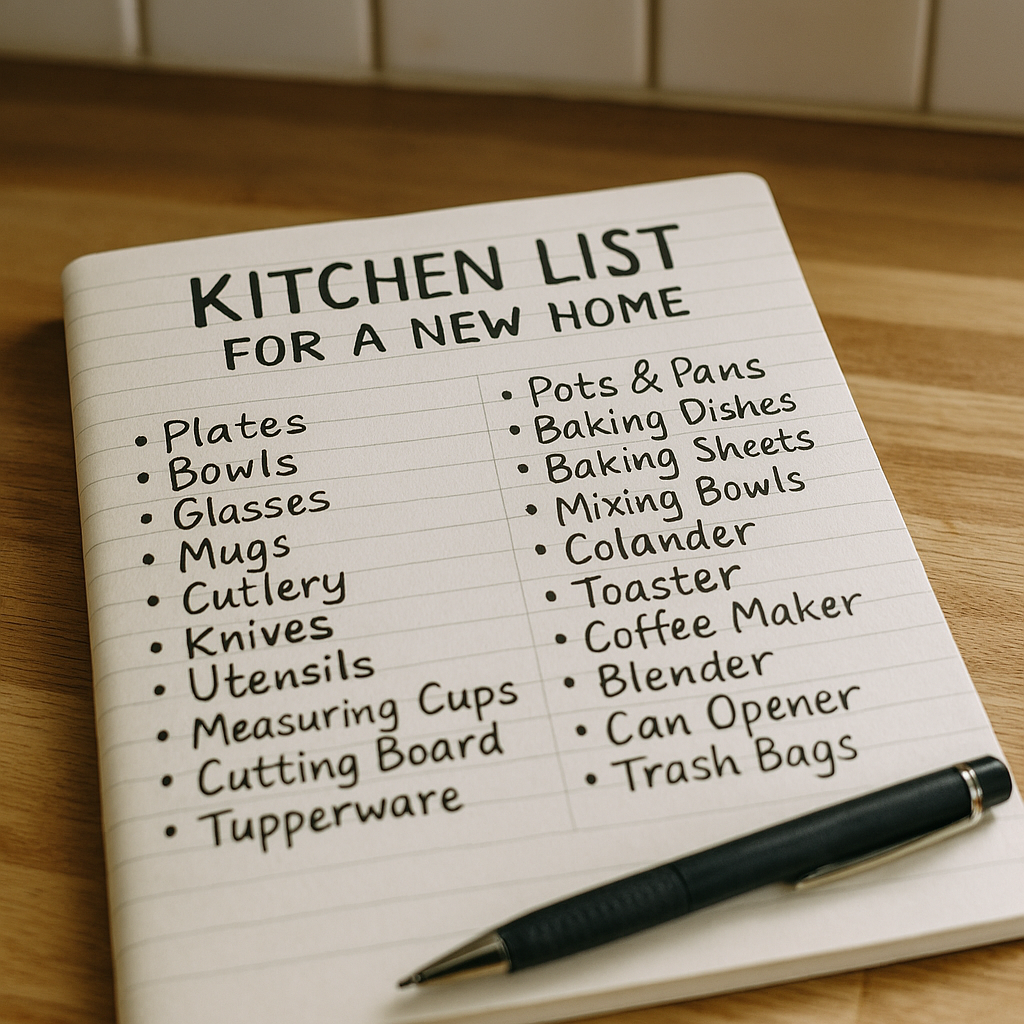
Master Checklist (Printable Reference)
Core Items (Day One)
Dishes & Glassware:
- [ ] Plates (4)
- [ ] Bowls (4)
- [ ] Glasses (4)
- [ ] Silverware set (4)
Knives & Prep:
- [ ] 8″ chef’s knife
- [ ] Cutting board
- [ ] Vegetable peeler
- [ ] Can opener
Cookware:
- [ ] 10″ nonstick skillet
- [ ] 3-quart saucepan with lid
- [ ] 8-quart pot with lid
Utensils:
- [ ] Wooden spoon
- [ ] Spatula
- [ ] Tongs
- [ ] Whisk
Storage:
- [ ] Food containers (4-6)
- [ ] Aluminum foil
- [ ] Plastic wrap
Cleaning:
- [ ] Dish soap
- [ ] Sponges
- [ ] Dish towels (4)
- [ ] Trash can
Add Within First Month
- [ ] 12″ stainless steel skillet
- [ ] Mixing bowls (set of 3)
- [ ] Colander
- [ ] Measuring cups and spoons
- [ ] Meat thermometer
- [ ] Sheet pan
- [ ] 9×13 baking dish
- [ ] Box grater
- [ ] Kitchen shears
- [ ] Microwave
- [ ] Toaster or toaster oven
Add After 3-6 Months (Based on Usage)
- [ ] Cast iron skillet
- [ ] Better chef’s knife
- [ ] Paring knife
- [ ] Additional pans (as needed)
- [ ] Blender or food processor
- [ ] Electric kettle
- [ ] Specialty appliances (rice cooker, slow cooker, etc.)
- [ ] Expanded bakeware
- [ ] More food storage containers
Frequently Asked Questions
How much should I budget for a basic kitchen setup?
$200-300 gets you functional. $500-700 gets you comfortable. You can build it over time—buy day-one essentials first, add items monthly as you cook and identify gaps.
What’s the one item worth splurging on?
Chef’s knife. A good one lasts decades and makes cooking actually enjoyable. Everything else can be budget-friendly.
Should I buy a cookware set or individual pieces?
Individual pieces. Sets include pans you won’t use. Buy the 2-3 pans you’ll actually cook with, skip the rest.
What kitchen items do people regret buying?
Specialty gadgets (avocado slicers, egg separators), duplicate tools (multiple spatulas, whisks), appliances they thought they’d use (bread makers, juicers), and expensive items they didn’t need yet (stand mixers, food processors).
Can I set up a kitchen for under $150?
Yes, but it requires strategic shopping. Hit discount stores (HomeGoods, TJ Maxx, Ross), restaurant supply stores, and IKEA. Buy only day-one essentials, cook simple meals, add items gradually.
What’s the difference between essential and nice-to-have?
Essential means you can’t cook a basic meal without it. Nice-to-have means it makes certain tasks easier but isn’t required. A chef’s knife is essential. A garlic press is nice-to-have (and honestly unnecessary).
How do I know what I actually need vs. what cooking blogs say I need?
Cook for two weeks with minimal tools. Notice what tasks frustrate you because you lack the right tool. Buy that tool. Ignore everything else. Your cooking style dictates your needs, not a generic checklist.
Bottom Line: How I’d Set Up a New Kitchen Today
If I moved tomorrow into an empty apartment, here’s exactly what I’d do:
Day one ($200 budget):
- Victorinox 8″ chef’s knife ($45)
- Large plastic cutting board ($12)
- T-fal 10″ nonstick skillet ($25)
- Tramontina 3-quart saucepan ($30)
- 8-quart stainless pot ($25)
- IKEA dish set for 4 ($20)
- IKEA silverware set ($5)
- Basic utensils: wooden spoon, spatula, tongs ($15)
- 4 glass food containers ($20)
- Dish soap, sponges, towels ($10)
Week two ($150 budget):
- 12″ Tramontina stainless skillet ($35)
- Lodge 10″ cast iron skillet ($25)
- Mixing bowls, colander ($20)
- Measuring cups/spoons ($15)
- ThermoPro meat thermometer ($18)
- Sheet pan ($12)
- Microwave (used or basic new) ($50)
Month three ($100 budget):
- Better knife if the Victorinox isn’t cutting it (pun intended) ($80)
- Additional food storage ($20)
Everything else? I’d wait until I knew I needed it. Blender when I’m making smoothies weekly. Food processor when I’m tired of mincing by hand. Stand mixer when I’m baking regularly.
The truth is, most people overbuy initially and underbuy the items that matter. They have drawer full of gadgets but no good knife. They own three whisks but no meat thermometer.
Start lean. Cook real meals. Notice what’s missing. Buy that specific thing. Repeat.
Your kitchen should grow with your cooking, not anticipate some imaginary version of yourself who meal preps every Sunday and bakes sourdough on weekends. Maybe you’ll become that person. But maybe you won’t, and that’s fine.
Build the kitchen you’ll actually use, not the one that looks good in a photo.