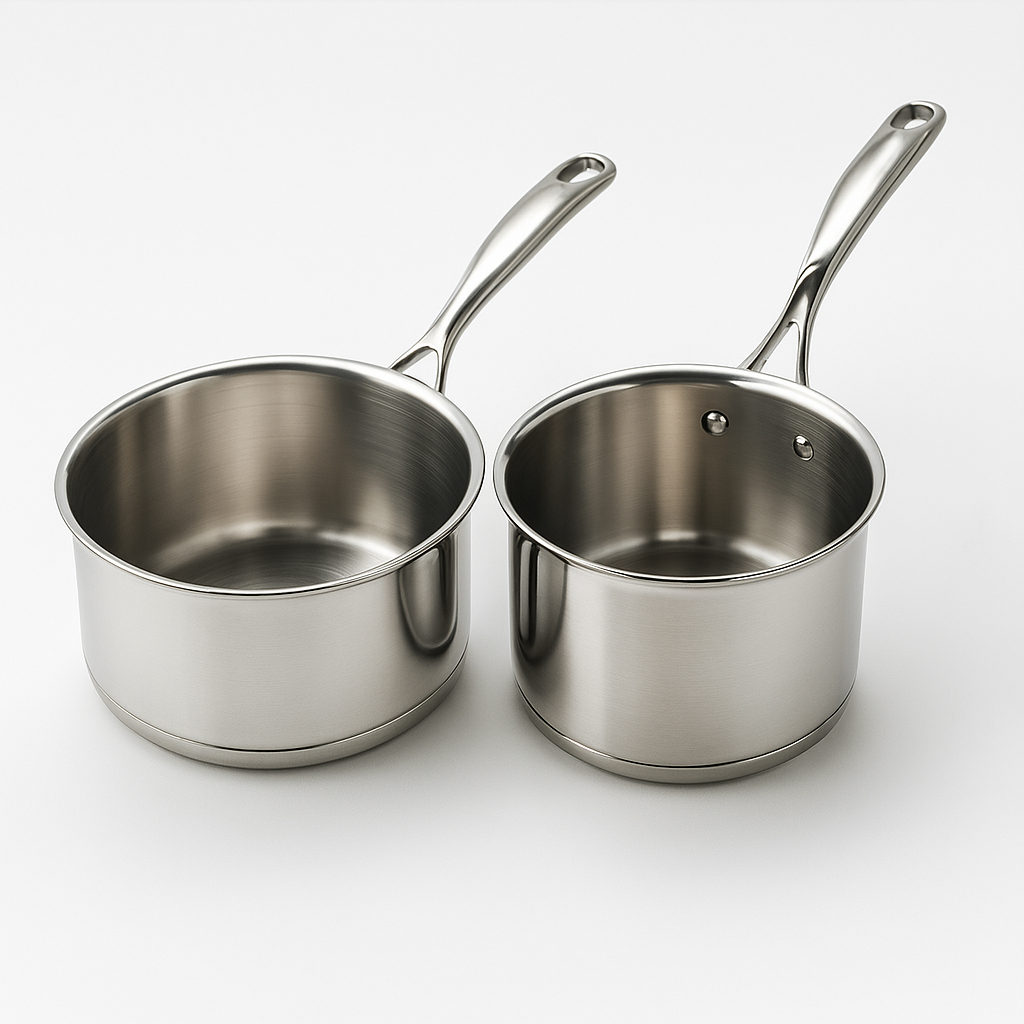
When you’re dropping serious cash on cookware you expect it to last decades. Among Cuisinart’s top-tier stainless lines, two collections have historically dominated the premium space: the French Classic Tri-Ply and the Multiclad Pro series. Both promise pro-level performance with triple-ply construction. But man, the differences between them? They matter more than most people realize.
This guide dives deep into every nook and cranny of these two exceptional cookware lines. We’re talking construction details most reviews skip. Performance characteristics that make or break your Tuesday night dinner. Design elements that either make you curse or smile when you’re elbow-deep in a cooking project at 7pm. Whether you’re setting up your first real kitchen or finally upgrading that hand-me-down cookware, these details will save you from buyer’s remorse down the road.
| Feature | 🇫🇷 Cuisinart French Classic | 🔥 Cuisinart MultiClad Pro |
|---|---|---|
| Amazon Product Link | View on Amazon | View on Amazon |
| Construction | Tri-Ply Stainless Steel | Tri-Ply Stainless Steel (Heat Surround) |
| Core Material | Aluminum Core | Full Aluminum Core (more responsive) |
| Country of Origin | France 🇫🇷 | China 🇨🇳 |
| Handle Design | Classic European, rounded | Professional U-shaped stay-cool |
| Oven Safe | Up to 500°F | Up to 550°F |
| Induction Compatible | ✅ Yes | ✅ Yes |
| Dishwasher Safe | ✅ Yes | ✅ Yes |
| Best For | Home cooks who want European feel & elegance | Serious home cooks & performance-focused users |
| Overall Verdict | Beautiful, refined, slightly softer heat response | More durable, more aggressive, best value |
The Heritage Behind Cuisinart’s Premium Stainless Lines
Cuisinart. Yeah, we all know them for those food processors our moms used. But their story goes way deeper. Started back in 1971 by this guy Carl Sontheimer after he got obsessed with French food prep machines during a trip. He reverse-engineered one, added his own twist, and boom—revolutionized American kitchens. The company changed hands a few times before landing with Conair in 1989. That’s when everything shifted. Suddenly Cuisinart wasn’t just making processors—they were everywhere. Coffee makers. Toasters. And yeah, eventually, serious cookware.
Here’s the thing most people don’t know: Cuisinart only jumped into premium cookware after All-Clad’s stainless steel patents expired around 2000. Overnight, every manufacturer smelling opportunity rushed to China to build factories or contract existing ones. It was the Wild West of cookware manufacturing.
Multiclad Pro emerged as Cuisinart’s flagship player in this new game. Fully-clad tri-ply construction. Made in China. Priced to move. They were shooting for that sweet spot—90% of All-Clad’s performance at one-third the price. Smart move.
Then came French Classic. The name wasn’t just marketing fluff. This stuff actually got made in France. Same tri-ply construction as Multiclad Pro but with European craftsmanship stamped all over it. The price tag reflected that heritage. French Classic wasn’t competing on value—it was competing on prestige and feel.
Cuisinart played it brilliantly. Two distinct lines capturing different buyers. One for the practical cook who cares about performance-per-dollar. Another for the romantic who wants that Made-in-France cachet. Most companies would’ve settled for one approach. Cuisinart? They conquered both markets simultaneously.
Construction and Materials: The Foundation of Performance
The Science of Tri-Ply Construction
Let’s get technical but keep it real. Tri-ply isn’t just a fancy marketing term—it’s engineering genius when done right. Both French Classic and Multiclad Pro use this same basic sandwich: stainless steel outside, aluminum core in the middle, stainless steel cooking surface inside. Simple on paper. Game-changing in practice.
Why does this matter? Pure stainless steel sucks at conducting heat. You get hot spots. Food burns in some places while staying raw in others. Aluminum fixes that problem—it’s like a thermal superhighway inside your pan. But aluminum alone reacts badly with acidic foods. Hence the stainless steel sandwich.
The outer layer? 18/0 stainless steel. Magnetic. Works on induction cooktops. The inner cooking surface? Higher-grade stainless that won’t corrode or react with your tomato sauce. Sandwiched between them? Aluminum that’s roughly 1.7mm thick in both lines. That thickness isn’t accidental. It’s what separates serious cookware from the junk that warps after six months.
Material Specifications and Evolution
Here’s where things get messy. Remember how I mentioned French Classic was premium? Part of that came from consistent material specs. French Classic always rocked 18/10 stainless steel on the cooking surface. High nickel content. Superior corrosion resistance. No questions asked.
Multiclad Pro? Their story’s more complicated. Early versions definitely used 18/10 stainless. But around 2010—poof—Cuisinart stopped advertising that spec. Amazon listings still say 18/10. Don’t believe it. When pressed, Cuisinart gets cagey about exactly what steel they’re using now.
Based on real-world testing and industry whispers, current Multiclad Pro likely uses at minimum SAE 202/204 (18/4) stainless steel. Still decent stuff. Better than the 18/0 some budget brands use. But not quite the 18/10 of French Classic. You can actually test this yourself with a magnet. Genuine 18/10 stainless is barely magnetic. Current Multiclad Pro? Slightly more magnetic but not as much as cheap 18/0 cookware.
Both lines share identical wall thickness—approximately 2.6mm. Same as All-Clad’s standard line. This thickness hits the sweet spot: substantial enough for serious heat retention but not so heavy your wrist gives out flipping omelets. The aluminum core in both lines measures around 1.7mm. Budget knockoffs often skimp here, dropping to 1.2mm or less. You feel that difference immediately when heating.
Manufacturing Origins and Quality Control
Made in China versus Made in France. This distinction matters more than manufacturers admit.
Multiclad Pro gets churned out in modern Chinese factories. Efficient. Cost-effective. Generally consistent. But I’ve seen new pieces with weird dents on handles straight out of the box. Rivets slightly off-center. Minor stuff that doesn’t affect performance but makes you wonder about quality control.
French Classic? Every piece got made in France. Tighter quality standards. More attention to detail. Hand-finishing touches you simply don’t get in mass production. That premium manufacturing commanded a premium price—typically 25-40% more than equivalent Multiclad Pro pieces.
Here’s the kicker: French Classic appears discontinued as of 2020. Good luck finding new pieces. What’s left gets marked up by third-party sellers smelling blood in the water. Multiclad Pro? Still going strong. Easy to find replacement pieces. Warranty claims actually get honored. That practical reality might matter more than French craftsmanship to most home cooks.
Both lines came with Cuisinart’s lifetime warranty against manufacturing defects. But try getting warranty service on discontinued cookware. Good luck with that.
Design Elements: Form Meets Function
Handle Design and Ergonomics
Grab a Multiclad Pro skillet. Now grab a French Classic. Feel that difference in your hand? Night and day.
Multiclad Pro handles are… fine. Functional stainless steel loops riveted solidly to the pan body. The newer “N” series (with the N in product numbers like MCP-12N) improved the older design slightly—added a subtle groove on top where your thumb naturally rests. Big upgrade? Not really. But better than before.
The rivets themselves tell a story. Stainless interior caps. Aluminum exterior caps. Those aluminum bits lose their shine after repeated dishwasher cycles. Purely cosmetic issue but annoying if you care about looks.
French Classic handles? Oh man. These things feel custom-made for your hand. More pronounced contours. Subtle upward curve that just makes sense when you’re maneuvering a heavy pot full of stew. Wider profile with generous finger space. Cooking for hours? Your hand won’t hate you by the end like it might with Multiclad Pro.
Both lines feature helper handles on larger pieces. The Multiclad Pro 12-inch skillet includes one—a feature All-Clad bizarrely omits from their equivalent model. Try lifting a fully-loaded 12-inch skillet with one hand sometime. You’ll thank Cuisinart for that thoughtful addition. French Classic skillets also featured helper handles on larger sizes, but they’re integrated more elegantly into the overall design.
Lid Design and Functionality
Lids matter more than you think. Burn yourself fumbling with a hot lid one time and you’ll understand.
Multiclad Pro comes standard with fully stainless steel lids. Same construction quality as the pots themselves. Oven-safe to 550°F—perfect for broiler finishes or long braises. These lids seal tight. Great for locking in moisture and flavor. Annoying when they create a vacuum seal as the pot cools. Ever tried prying a lid off a cooled pot? Sometimes you need to reheat the pot briefly just to break that seal.
Those stainless steel lid handles get hot. Seriously hot. Keep pot holders handy. No way around it.
French Classic took a different approach. Some pieces came with stainless steel lids like Multiclad Pro. Others featured glass lids with stainless steel rims. Glass lids let you peek at your food without releasing heat and moisture. Nice feature. But they’re typically rated for lower max temperatures—around 350-400°F compared to solid stainless’s 550°F. Tradeoffs everywhere.
Rim Design and Pouring Performance
Here’s where Multiclad Pro shines unexpectedly. Every single piece features distinctly flared rims. Try pouring sauce from a sauté pan or draining pasta water from a stockpot. The liquid follows the flared rim cleanly instead of dribbling down the side of your pot. Game-changer for keeping your stovetop clean.
French Classic? Early versions lacked these flared rims on most pieces. Individually sold skillets had them, but stockpots and saucepans? Nope. Later versions improved this, but consistency was never their strong suit. Pouring from a French Classic pot without a flared rim means keeping a towel handy. Messy business.
Aesthetic Considerations
Both lines look professional sitting on your stove. Brushed stainless exteriors that hide fingerprints better than high-polish finishes. Subtle polished trim near the rim that catches the light nicely. No flashy colors that’ll look dated next year.
French Classic pieces often show tighter tolerances between components. Handle alignment is precise. Transitions between different parts flow seamlessly. That French manufacturing precision shows in details most people miss but feel subconsciously.
Multiclad Pro looks slightly more utilitarian but still professional. The brushed finish is practical rather than pretty. These are workhorse pans that don’t apologize for being tools rather than showpieces.
Neither line chases trends. Both will look appropriate in your kitchen whether you live in a downtown loft or suburban craftsman home. That timeless quality matters when you’re investing hundreds in cookware.
Performance Characteristics: How They Actually Cook
Heat Distribution and Responsiveness
Both lines heat evenly across the cooking surface. No hot spots ruining your delicate fish fillets. No burned patches while other areas stay cold. That fully-clad construction works as advertised.
But subtle differences appear under pressure. French Classic’s slightly thicker aluminum core (same overall thickness but better metal quality) gives marginally better heat distribution at the extreme edges. Why does this matter? When you’re searing a large piece of meat that nearly covers the entire pan bottom, edge performance determines whether you get perfect crust all over or pale, unappetizing borders.
Multiclad Pro performs admirably most of the time. But throw a refrigerator-cold ribeye into a hot 12-inch skillet and watch the temperature plummet. French Classic maintains heat better in these extreme scenarios. The difference isn’t huge—maybe 10-15°F—but that’s sometimes enough to affect browning quality.
Both lines respond quickly to temperature adjustments. Turn down the burner and the pan cools rapidly. French Classic demonstrates slightly better thermal stability during these transitions. Making caramel? That stability prevents scorching during critical temperature shifts.
Heat Retention Properties
Heat retention separates serious cookware from weekend warrior stuff. Both Cuisinart lines excel here compared to budget alternatives. But French Classic maintains temperature better when food hits the pan.
Practical test: Boil water in identical-sized pots from each line. Pour out the water. French Classic stays noticeably warmer longer. This thermal inertia matters when searing multiple steaks in batches. The pan stays hot enough for proper browning rather than requiring reheat time between pieces.
Multiclad Pro still retains heat far better than disc-bottom cookware (where only the base has aluminum layers). For most home cooking applications, you won’t notice the difference between these two lines. Unless you’re cooking for a dinner party and need consistent results batch after batch.
Cooking Surface Performance
Neither line has non-stick coating. They rely on proper technique: preheat pan, add oil, add food. Do it right and food releases beautifully after proper browning. Do it wrong and you’re scrubbing stuck-on messes for twenty minutes.
The interior finish on both lines is high-gloss stainless with a fine, ingrained pattern. This micro-texture helps with food release while remaining smooth enough for easy cleaning. French Classic’s 18/10 stainless may develop a richer patina over time compared to Multiclad Pro’s interior. Some chefs actually prefer this aged surface—it improves non-stick properties naturally.
Both lines excel at creating fond—the flavorful browned bits essential for pan sauces. That tight lid seal traps steam effectively, accelerating vegetable cooking times and preventing sauces from reducing too quickly. Practical advantages that make weeknight cooking less stressful.
Durability Under Extreme Conditions
I’ve abused my Multiclad Pro pieces shamelessly. Boiled pots dry. Burned rice to the bottom. Left pans soaking overnight with acidic tomato sauce. They shrug it off.
Documented test: A Multiclad Pro saucepan accidentally got subjected to at least 11 minutes of high heat with no water while steaming frozen food. The pan oxidized golden but remained perfectly flat. Bar Keepers Friend brought it back to life. That’s resilience.
French Classic would likely perform similarly or better under these conditions. Their higher-grade stainless steel resists staining better over decades. But let’s be honest—most home cooks won’t push their cookware this hard. Both lines are completely oven-safe to 550°F and broiler-safe. That versatility matters more than extreme abuse resistance for daily cooking.
Set Configurations and Value Analysis
Understanding the Available Options
Cuisinart offered both lines in various set configurations. Smart shopping means understanding what you’re actually getting.
Multiclad Pro came in two main sets:
The 7-piece set included:
- 10-inch skillet
- 1.5-quart saucepan with lid
- 3-quart saucepan with lid
- 8-quart stockpot with lid
The 12-piece set added:
- 8-inch skillet
- 3.5-quart sauté pan with lid
- Steamer insert with lid
French Classic offered:
The 10-piece set included:
- 8-inch skillet
- 10-inch skillet
- 2-quart saucepan with lid
- 3-quart sauté pan with lid
- 4.5-quart curved saucier/Dutch oven with lid
- 8-quart stockpot with lid
The 13-piece set added:
- 24cm steamer basket
- Split the 2-quart saucepan into two pieces: 1.5-quart and 2.5-quart
Practical Assessment of Set Value
Let’s be real about what you actually need in a cookware set. The 7-piece Multiclad Pro set lacks something crucial—a dedicated sauté pan. Without it, you’re stuck trying to cook large batches of vegetables or browning meat in skillets that aren’t designed for the job. Most owners end up buying additional pieces within months.
The 12-piece Multiclad Pro set fixes this problem with its 3.5-quart sauté pan and valuable steamer insert. That steamer basket pulls double duty as a colander for rinsing produce or draining pasta. The extra 8-inch skillet? Perfect for cooking eggs or single servings. These additions transform the set from “barely functional” to “actually useful.”
French Classic’s 10-piece set takes a different approach by including a 4.5-quart curved saucier (sometimes called a Dutch oven). This rounded, sloped-sided pot rocks at tasks requiring constant stirring—risotto, polenta, delicate sauces. But it lacks a dedicated steamer insert. Not a dealbreaker but annoying if you steam vegetables often.
The 13-piece French Classic set’s steamer basket represented serious value. European-made steamer inserts of this quality typically cost over $100 separately. But splitting the 2-quart saucepan into two smaller sizes added questionable value for most home cooks. Two is better than one? Not always.
Value Proposition Analysis
Let’s talk money because that’s what ultimately decides purchases.
Multiclad Pro delivers exceptional bang for your buck. Typically costs about one-third the price of equivalent All-Clad sets while providing approximately 90% of the performance. That math works for most home cooks. The practical design elements—flared rims, helper handles, fully stainless lids—add everyday value you notice immediately.
French Classic commanded a premium price—25-40% higher than equivalent Multiclad Pro pieces. What did you get for that extra cash? Superior handle ergonomics. Marginally better materials. European manufacturing prestige. But you lost the flared rims on many pieces. That practical drawback mattered more than marketers admitted.
From pure performance-per-dollar perspective? Multiclad Pro wins hands down. French Classic appealed to a narrower audience willing to pay extra for details most people wouldn’t notice. Unless you cook professionally or obsess over kitchen tools, that premium was hard to justify.
Maintenance and Long-Term Care
Cleaning Requirements and Techniques
Stainless steel cookware needs proper care to last decades. Both lines share similar maintenance requirements but show different stain resistance over time.
Daily cleaning is straightforward: warm soapy water and a non-abrasive sponge. For stuck-on food, let the pan soak briefly before scrubbing. Neither line gets damaged by dishwashers, though hand washing extends their lifespan significantly.
Stubborn residue or rainbow discoloration from overheated oil? Both lines respond well to Bar Keepers Friend. For severe cases, boiling water with vinegar loosens burned-on gunk. French Classic’s higher-grade stainless steel resists staining slightly better long-term. Multiclad Pro develops patina faster but cleans up well with proper products.
Discoloration and Patina Development
All stainless steel cookware discolors with use. Rainbow patterns appear from high-heat cooking. Golden tints develop from repeated searing. This patina doesn’t affect performance but changes appearance.
Many professional chefs actually prefer aged stainless steel. That patina improves natural non-stick properties over time. French Classic develops this patina more slowly due to better stainless composition. Multiclad Pro shows wear faster but still performs beautifully. Neither line pits or corrodes with proper care, though leaving acidic foods in either pan for extended periods can damage surfaces.
Long-Term Durability Considerations
With proper care, both lines last 20-30 years easily. Fully-clad construction prevents the delamination issues that plague cheaper tri-ply cookware. Quality stainless steel resists warping even under extreme temperature changes.
The most vulnerable components? Handles and rivets. Stainless steel handles themselves last virtually forever. But the rivets securing them show wear over time. Multiclad Pro’s aluminum rivet caps oxidize and lose shine with repeated dishwasher use. French Classic’s rivets maintain appearance longer thanks to superior finishing.
Both lines stay flat even after years of abuse. Critical for induction cooktops that require perfect contact. This flatness persists despite repeated exposure to high heat and rapid temperature changes—testament to quality construction.
The Current Landscape: Availability and Alternatives
The Discontinuation of French Classic
Game changer alert: French Classic appears discontinued as of 2020. This reality shifts everything. New French Classic pieces are scarce. Prices on remaining inventory get marked up by opportunistic sellers. Warranty claims become nightmares.
This discontinuation leaves Multiclad Pro as Cuisinart’s flagship premium stainless line. Current production continues in China with consistent quality control. The line evolved slightly over time—the “N” series features improved handles addressing earlier ergonomic complaints.
For cooks specifically seeking French-manufactured alternatives, options now include de Buyer, Matfer Bourgeat, and premium Demeyere lines. All significantly more expensive than original French Classic pricing. That premium better deliver serious performance gains to justify the cost.
Multiclad Pro’s Position in Today’s Market
With French Classic gone, Multiclad Pro’s value proposition shines brighter. It competes effectively with other mid-range tri-ply collections like Calphalon Contemporary, Tramontina Tri-Ply Clad, and Kirkland Signature.
What sets Multiclad Pro apart? Consistent flared rim design on all pieces. Helper handles on larger skillets. Fully stainless steel lids rated for high-temperature oven use. These practical advantages matter more than marketing specs when you’re cooking dinner after a long workday.
Alternative Options for Discerning Cooks
Need French Classic alternatives? Your options depend on budget and priorities.
Ultra-premium tier ($800-1500+ for basic set): All-Clad Copper Core, Demeyere Atlantis, Hestan NanoBond. These exceed both Cuisinart lines in performance but cost significantly more. Only makes sense if you cook intensively and value marginal performance gains.
Premium tier ($400-800 for basic set): All-Clad D3, Made In Cookware, Misen. These bridge the gap between Cuisinart’s value proposition and ultra-premium European cookware. Better quality control than typical Chinese manufacturing.
Value-focused buyers: Tramontina Tri-Ply Clad and Kirkland Signature offer compelling alternatives at Multiclad Pro pricing. They deliver 85-90% of French Classic’s performance without the premium price tag. Less refined design elements but solid cooking performance.
Practical Recommendations: Who Should Choose Which Line
For the Multiclad Pro Enthusiast
Multiclad Pro is perfect for:
- Home cooks seeking premium performance without breaking the bank
- Serious beginners building their first quality cookware collection
- Induction cooktop owners needing fully magnetic cookware
- Practical cooks who value flared rims and helper handles
- Busy households where cookware sees daily heavy use
- Budget-conscious buyers who prefer allocating funds across multiple kitchen categories
The 12-piece Multiclad Pro set offers best overall value. That included 3.5-quart sauté pan and steamer insert add significant versatility missing from the 7-piece set. For space-constrained kitchens, building a custom collection from individual pieces allows personalized configuration without wasted items.
For the French Classic Aficionado (While Supplies Last)
When available, French Classic appeals to:
- Cooks who prioritize handle comfort above all else
- Those who value European manufacturing heritage
- Collectors who appreciate craftsmanship details
- Temperature-sensitive cooking enthusiasts (sauces, custards, candy making)
- Buyers with disposable income viewing cookware as lifetime investment
- Frequent entertainers who value prestige of French-made equipment
The 10-piece French Classic set provides best balance for most serious home cooks. That versatile curved saucier replaces traditional stockpot for many applications. The 13-piece set’s value depends entirely on how much you value that European-made steamer insert. If steaming matters, the extra cost makes sense. Otherwise, buy a separate steamer basket and save cash.
For Specific Cooking Styles
Different cooking styles benefit from different cookware characteristics:
High-heat searing and browning: Both lines perform well. French Classic’s better heat retention provides slightly more consistent results when cooking multiple steaks sequentially. That difference matters when entertaining but not for weeknight dinners.
Sauce making and temperature-sensitive cooking: French Classic’s superior thermal stability makes it preferable for delicate tasks like hollandaise sauce or caramel. Those precise temperature transitions matter more than most recipes admit.
Everyday family cooking: Multiclad Pro’s durability and practical design shine for daily use. Dropping a pan while rushing to soothe a crying baby? Multiclad Pro survives abuse that would destroy lesser cookware. That resilience matters in real kitchens.
Induction cooking: Both lines work equally well on induction surfaces. But Multiclad Pro’s continued availability makes it the practical choice today. No one wants discontinued cookware when their induction-compatible pan eventually needs replacement.
The Verdict: Making Your Decision
Performance Comparison Summary
Let’s cut through the marketing fluff. French Classic demonstrates marginally superior heat distribution, especially at extreme edges. Its higher-grade stainless steel resists staining better over decades. Thermal stability—maintaining consistent temperatures—is perceptibly better for temperature-sensitive foods.
Multiclad Pro delivers 90-95% of French Classic’s capabilities at significantly lower cost. For most home cooking applications, that 5-10% performance difference disappears in the noise of daily cooking realities. Multiclad Pro’s practical advantages—flared rims on all pieces, helper handles on larger skillets—provide tangible benefits that enhance everyday cooking experiences.
Value Proposition Analysis
Value assessment must consider initial cost and long-term ownership realities. Multiclad Pro represents exceptional value—typically costing one-third less than equivalent French Classic pieces while delivering most performance benefits. This value proposition becomes even more compelling with French Classic discontinued, driving up prices for remaining inventory and eliminating warranty security.
French Classic’s value proposition was always nuanced. That 25-40% premium over Multiclad Pro bought real but subtle benefits: marginally better materials, superior handle ergonomics, European manufacturing prestige. For cooks using their equipment intensively for decades, this premium might be justified. For average home cooks making weeknight dinners? Hard to justify the significant price difference.
Long-Term Ownership Considerations
Long-term ownership considerations heavily favor Multiclad Pro today. With French Classic discontinued:
- Replacement pieces for damaged items become increasingly difficult to find
- Warranty claims face uncertain futures as inventory dwindles
- Future resale value turns unpredictable as supply diminishes
- Matching new pieces to existing sets becomes impossible
Multiclad Pro remains in active production with readily available replacement parts and continued warranty support. This availability provides peace of mind knowing damaged lids or handles can be replaced without buying an entirely new set.
Final Recommendations
Given current market realities, Multiclad Pro emerges as the clear recommendation for virtually all home cooks seeking premium stainless steel cookware from Cuisinart. Its combination of performance, practical design features, value pricing, and continued availability makes it exceptional value that will serve most kitchens admirably for decades.
Existing French Classic owners possess a prized collection worth maintaining carefully. Their discontinued status adds collectible value. Their superior handles and marginally better performance remain valid advantages. But new buyers should approach remaining French Classic inventory with extreme caution. That premium pricing rarely justifies the practical challenges of owning discontinued cookware.
For cooks specifically seeking European-manufactured alternatives, brands like de Buyer, Matfer Bourgeat, and premium All-Clad lines offer comparable performance at significantly higher price points. These alternatives only make sense for those with specific preferences for European manufacturing who cook with sufficient intensity to justify the performance differences.
Conclusion: The Enduring Appeal of Premium Stainless Steel
Comparing Cuisinart’s French Classic and Multiclad Pro lines reveals more similarities than differences. Both represent serious attempts to deliver professional-grade performance to home cooks. Both use proven tri-ply construction principles validated in commercial kitchens worldwide. Both offer exceptional durability spanning decades of regular use.
French Classic’s discontinuation represents natural product evolution. Value propositions ultimately determine product longevity. Multiclad Pro’s combination of 90% of French Classic’s performance at 60-70% of the price created more sustainable market position. Business reality trumps romance every time.
For today’s home cook, Multiclad Pro represents exceptional value balancing performance, durability, practical design, and accessibility. It delivers essential characteristics serious cooks demand—consistent heating, excellent heat retention, oven-to-table versatility, decades-long durability—without premium pricing.
While the romance of French-manufactured cookware holds undeniable appeal, practical realities favor continued production and availability of lines like Multiclad Pro. True test of any cookware’s worth isn’t found in marketing materials or initial impressions, but in daily performance year after year as it becomes an indispensable partner creating memorable meals.
In this ultimate test, both French Classic and Multiclad Pro proved their merit. Their legacy endures not just in pieces still circulating, but in how they raised expectations for affordable premium cookware. They demonstrated exceptional cooking tools need not cost a fortune. Thoughtful design can enhance even routine kitchen tasks.
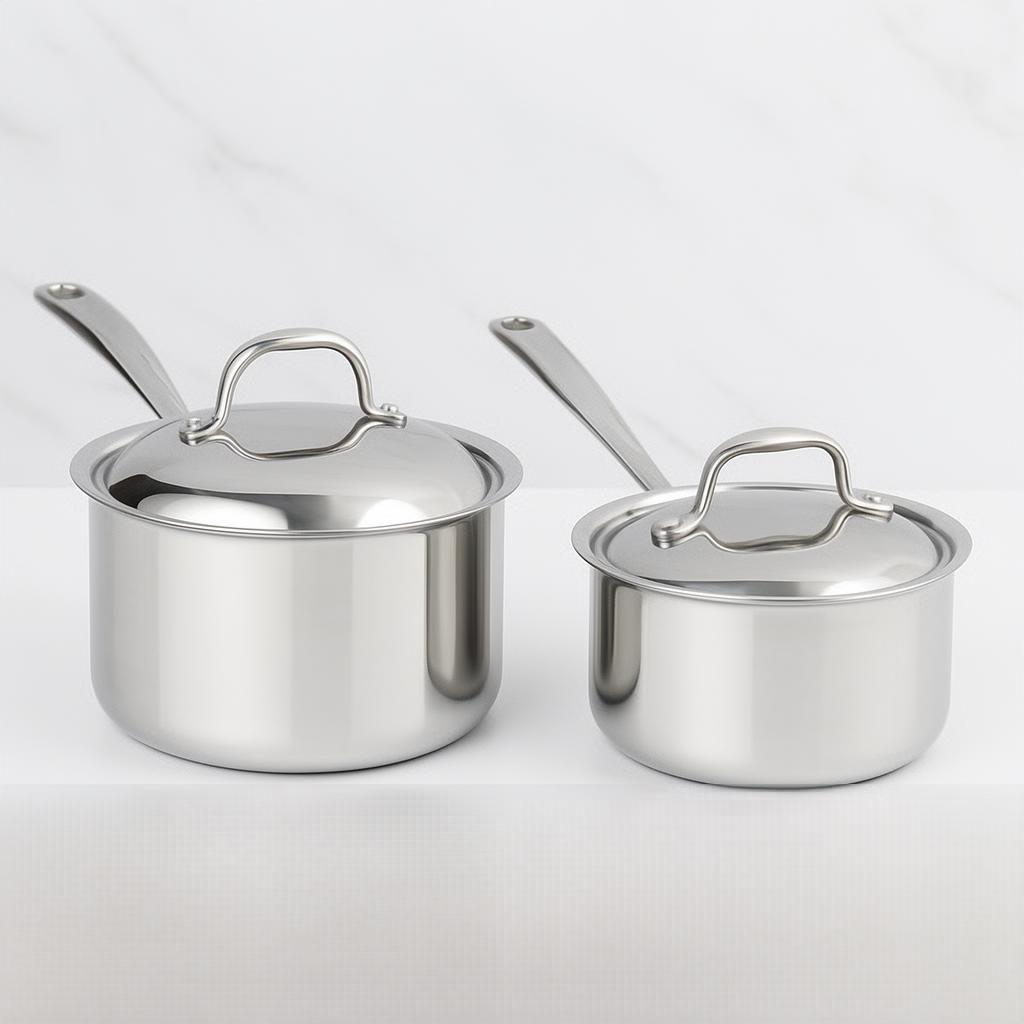
Whether you seek remaining French Classic pieces or invest in readily available Multiclad Pro collection, you’re acquiring cookware serving faithfully for decades—the true hallmark of exceptional kitchen equipment. In a world of planned obsolescence and fleeting kitchen trends, these collections stand as testaments to enduring value of quality craftsmanship and thoughtful design in the heart of the home.